
Welcome to the Maltipoo blog!
Why Dog Size Really Matters
Hey there, future dog parent! So you're thinking about getting a furry buddy, huh? Well, let me tell you something—picking the right size dog is probably one of the most important decisions you'll make. It's not just about whether your pooch will fit through the doggy door or if they'll take up half your bed (spoiler alert: they will, regardless of size).
Dog size affects everything from your grocery bill to your exercise routine, from your housing choices to your travel plans. A Great Dane isn't just a bigger version of a Chihuahua—they're completely different animals with totally different needs, personalities, and lifestyles.
Breaking Down the Size Categories
Most dog experts divide our four-legged friends into five main groups, though honestly, these categories can be as flexible as a yoga instructor. You've got toy breeds (under 10 pounds), small dogs (10-25 pounds), medium pups (25-60 pounds), large dogs (60-90 pounds), and giant breeds (90+ pounds).
But here's where it gets interesting—these aren't set in stone. Some organizations use different weight ranges, and individual dogs can totally break the mold. I've seen Beagles that could pass for small dogs and others that are definitely medium-sized. It's like dog genetics decided to throw a curveball just to keep us guessing!
Tiny Titans: Toy Breeds
Let's start with the pocket rockets. Toy breeds are basically living, breathing stuffed animals that happen to have opinions about everything. We're talking Chihuahuas, Pomeranians, Yorkshire Terriers, and Papillons. These little guys typically weigh less than 10 pounds and stand under 10 inches tall.
Don't be fooled by their size though—these dogs often have Napoleon complexes that would make actual Napoleon jealous. A three-pound Yorkie will absolutely try to intimidate a 150-pound Rottweiler, and honestly, they might succeed through sheer audacity.
Toy breeds are perfect for apartment living, elderly owners, or anyone who wants a dog that can literally travel in a purse. They don't need huge amounts of exercise, though they still need daily walks and mental stimulation. Just remember—small doesn't mean fragile, but it does mean you need to be careful around stairs, other dogs, and overly enthusiastic children.
Small but Mighty: The 10-25 Pound Club
Small dogs are like the middle child of the dog world—not tiny enough to be considered toys, but definitely not medium-sized. This group includes crowd favorites like Pugs, French Bulldogs, Cavalier King Charles Spaniels, and Boston Terriers.
These dogs hit that sweet spot where they're portable enough for most apartments but sturdy enough that you don't have to worry about accidentally stepping on them. They're usually great with kids, though supervision is still important because kids can be, well, kids.
Small dogs often live longer than their larger cousins—we're talking 12-16 years on average. They're also cheaper to feed, easier to bathe, and their vet bills are usually lower (though don't quote me on that when your Frenchie needs surgery for breathing issues).
The Goldilocks Zone: Medium-Sized Dogs
Medium dogs are often considered the "just right" option, and honestly, I can see why. Weighing between 25-60 pounds, this category includes some of America's most beloved breeds: Border Collies, Australian Shepherds, Cocker Spaniels, and Bulldogs.
These dogs are big enough to be serious exercise partners but small enough that they won't accidentally knock over your great-aunt Mildred at the family barbecue. They can handle longer hikes, more intense play sessions, and generally have fewer size-related health issues than their tiny or giant counterparts.
Medium dogs are often the perfect compromise for families. They're substantial enough to feel like "real dogs" to people who think small dogs are just cats in disguise, but they're not so large that they require massive amounts of space or food.
Large and In Charge: Big Dogs with Big Hearts
Large dogs, typically weighing 60-90 pounds, include some of the most popular family pets in America. Golden Retrievers, Labrador Retrievers, German Shepherds, and Siberian Huskies all fall into this category.
These dogs are often fantastic with children—they're sturdy enough to handle rough play but gentle enough to be trusted around toddlers. They make excellent jogging partners, hiking buddies, and swimming companions. Just be prepared for the energy levels—a bored large dog can become a destructive large dog pretty quickly.
Large dogs do require more space, both indoors and outdoors. They need bigger beds, stronger toys, and more substantial exercise routines. They also eat significantly more than smaller dogs, so factor that into your budget.
Gentle Giants: The 90+ Pound Wonders
Giant breeds are in a category all their own. Great Danes, Saint Bernards, Mastiffs, and Irish Wolfhounds are dogs that can literally look you in the eye when they're standing on their hind legs. These gentle giants often think they're lap dogs, which can be both adorable and problematic when they try to curl up on your couch.
Giant breeds often have the sweetest, most gentle temperaments. They're usually great with children and other pets, though their size means they need to be well-trained to prevent accidental injuries. A playful nudge from a 150-pound dog can easily knock someone over.
Unfortunately, giant breeds typically have shorter lifespans—usually 6-10 years. They're also more expensive to feed, house, and care for. Everything from their beds to their toys to their vet bills is supersized.
Designer Dogs and Size Surprises
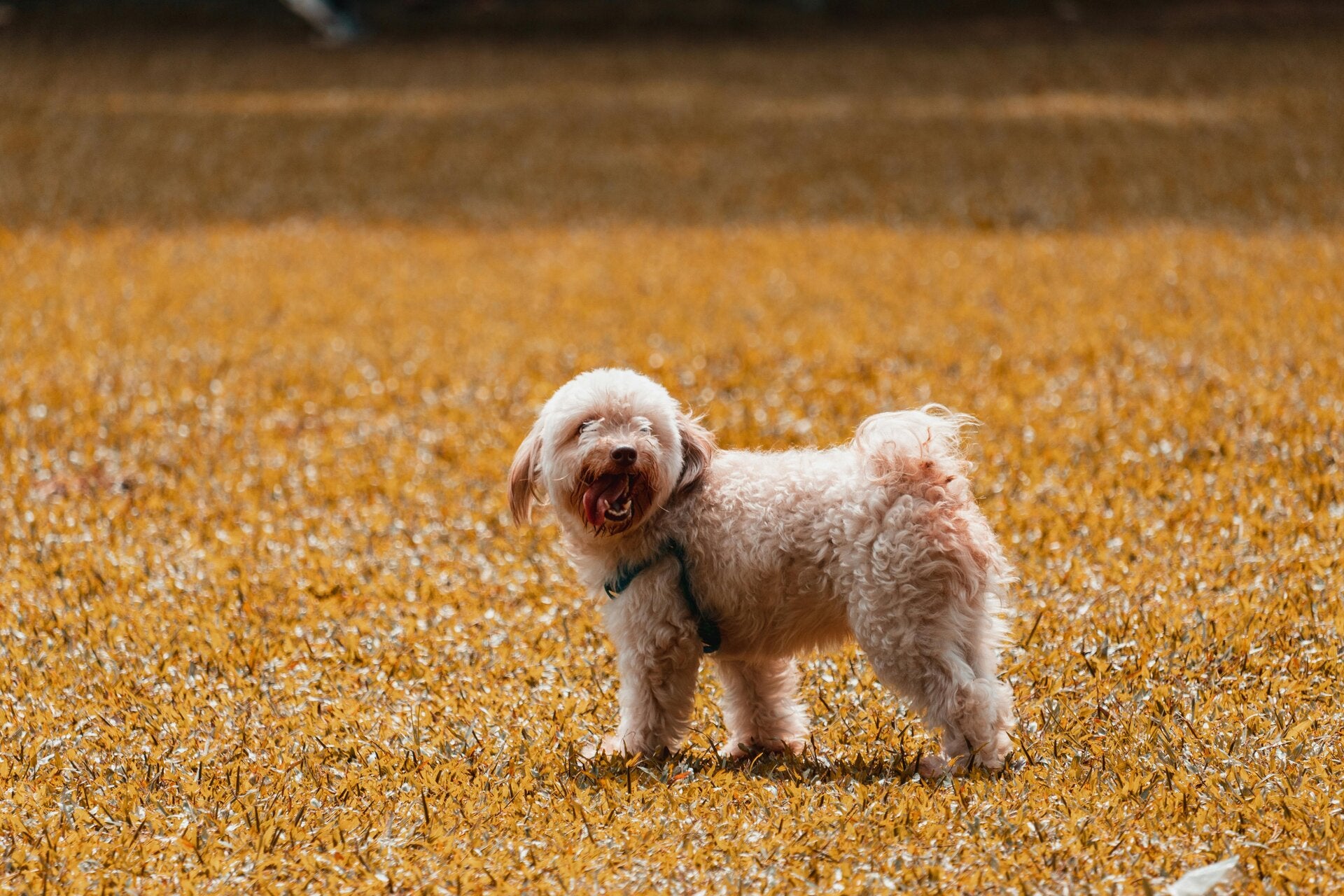
Mixed breeds and designer dogs add another layer of complexity to size predictions. Breeds like Labradoodles, Goldendoodles, and Maltipoos can vary significantly in size depending on which parent they take after. When considering Maltipoo size, you might end up with a dog closer to Maltese size (4-7 pounds) or more like a Toy Poodle (6-9 pounds).
Predicting puppy size is part science, part art, and part wishful thinking. Even professional breeders can be surprised by how big or small a puppy grows up to be. If you're getting a mixed breed, be prepared for some variation in your expectations.
Health Considerations Across Sizes
Different sized dogs face different health challenges, and it's important to understand these before making your choice. Toy breeds often deal with luxating patella (kneecap dislocation), tracheal collapse, and dental issues due to their tiny mouths cramming in a full set of teeth.
Small to medium dogs generally have fewer size-related health issues, which is one reason they're so popular. Large dogs are prone to hip dysplasia, elbow dysplasia, and cruciate ligament injuries. Giant breeds face the additional challenges of bloat (a life-threatening condition), heart problems, and joint issues from carrying all that weight.
Lifestyle Matching: Finding Your Perfect Size
Choosing the right size dog isn't just about preference—it's about matching a dog to your lifestyle. Are you a marathon runner? A large, athletic breed might be perfect. Live in a studio apartment? Maybe consider something smaller. Have young children? Medium to large dogs are often more suitable than tiny breeds that might get accidentally hurt.
Consider your future too. That cute puppy will be with you for potentially 15+ years. Will you still be able to lift a 90-pound dog when they're old and need help getting around? Can you afford to feed a giant breed if your financial situation changes?
The Bottom Line on Dog Sizes
Here's the truth: there's no perfect size dog, only the perfect size dog for you. Whether you end up with a two-pound Chihuahua or a 200-pound Mastiff, what matters most is that you're prepared to meet their needs and give them the best life possible.
Every size has its advantages and challenges. Small dogs are portable and long-lived but can be fragile and yappy. Large dogs are great exercise partners and family guardians but require more space and resources. Medium dogs often offer the best of both worlds but might not satisfy people who want something truly unique.
The most important thing isn't the size of your dog—it's the size of your commitment to being the best dog parent you can be. Because at the end of the day, whether your pup weighs 5 pounds or 150 pounds, they're going to love you with their whole heart and expect the same in return.
About us
It all began with a simple idea: sharing our love for Maltipoos! As a blog, we pride ourselves on providing helpful information and fostering a community for Maltipoo owners. Our approach is rooted in quality content and genuine passion, ensuring that everything we do reflects our commitment to these amazing dogs.